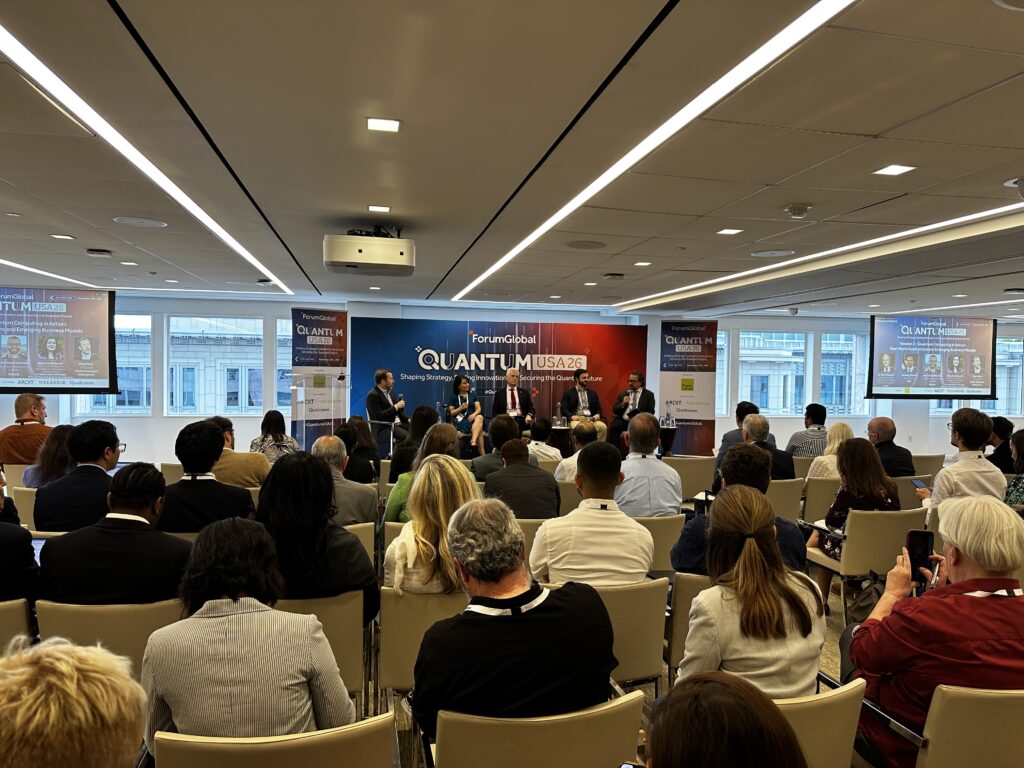
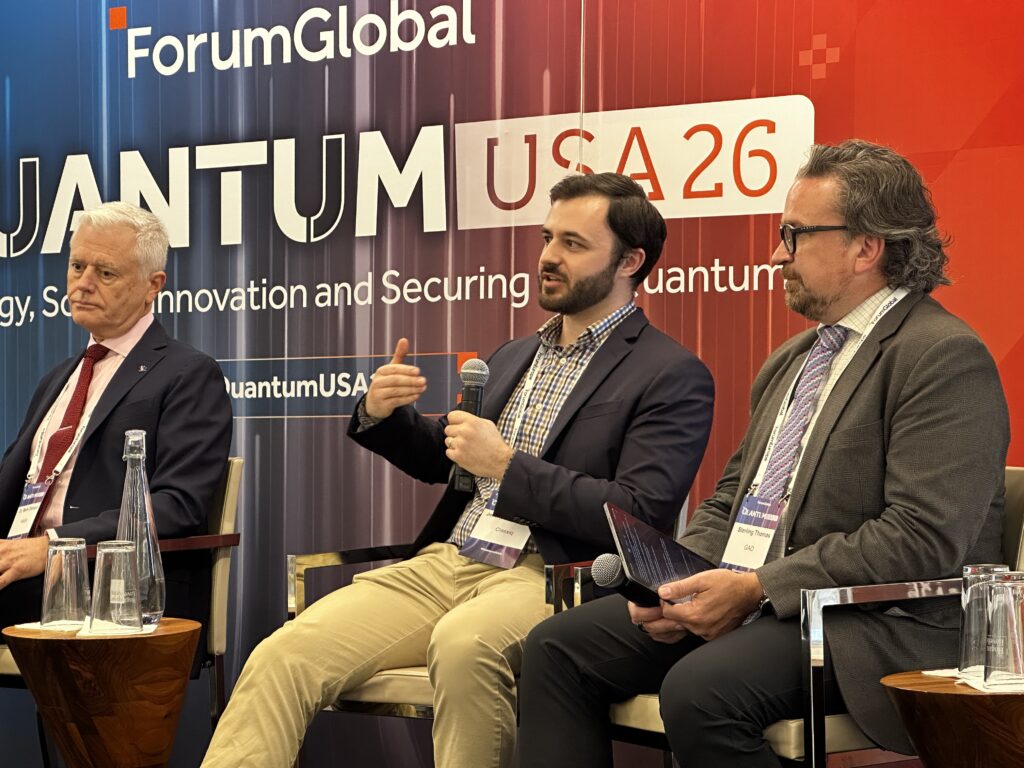
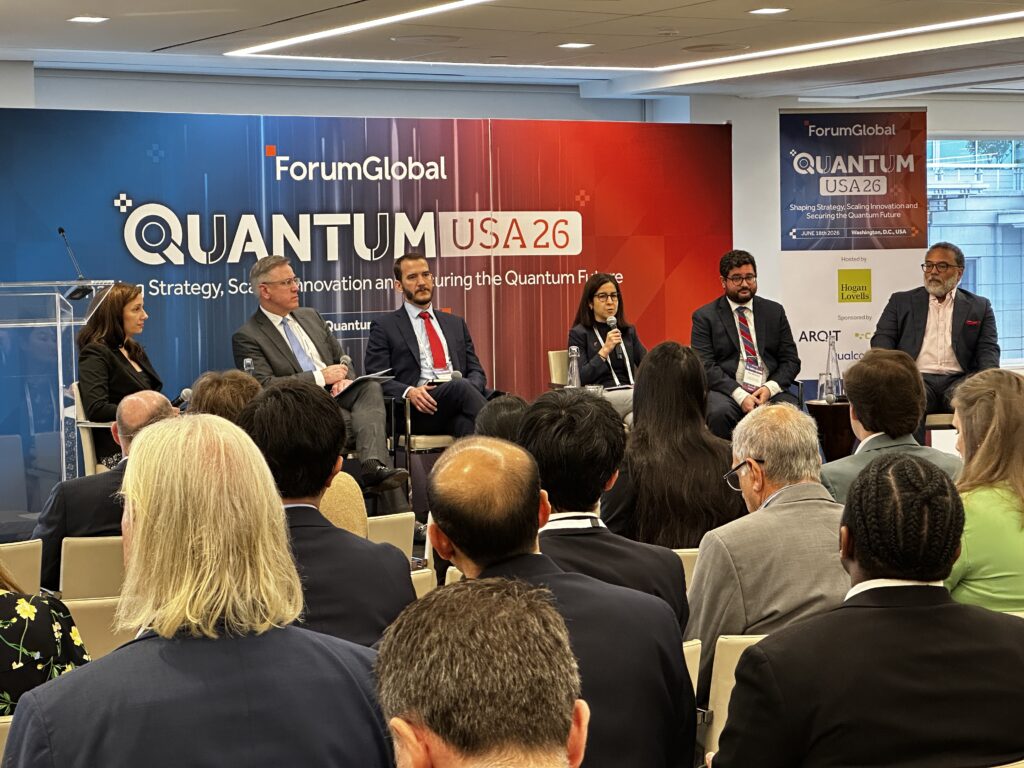
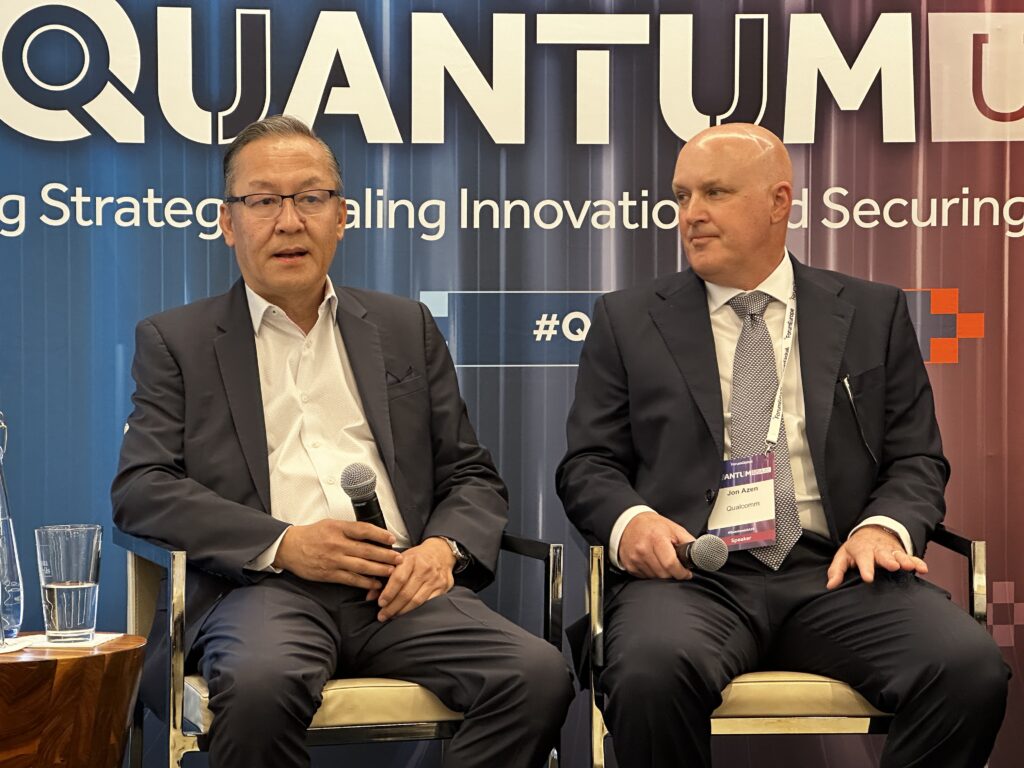
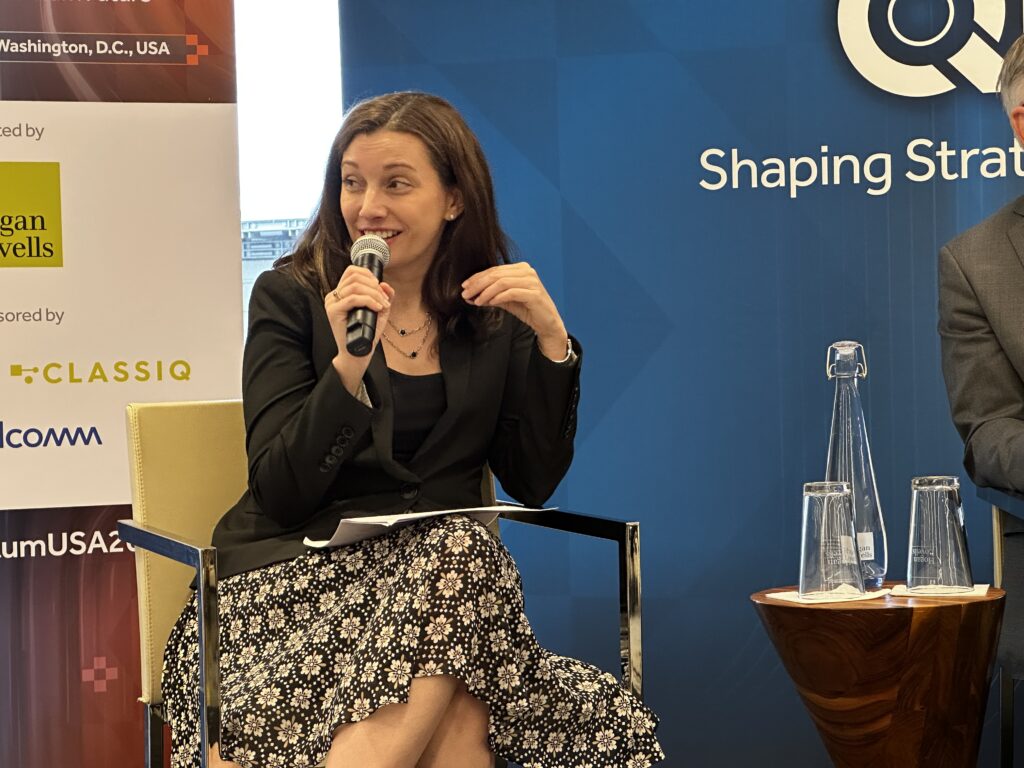
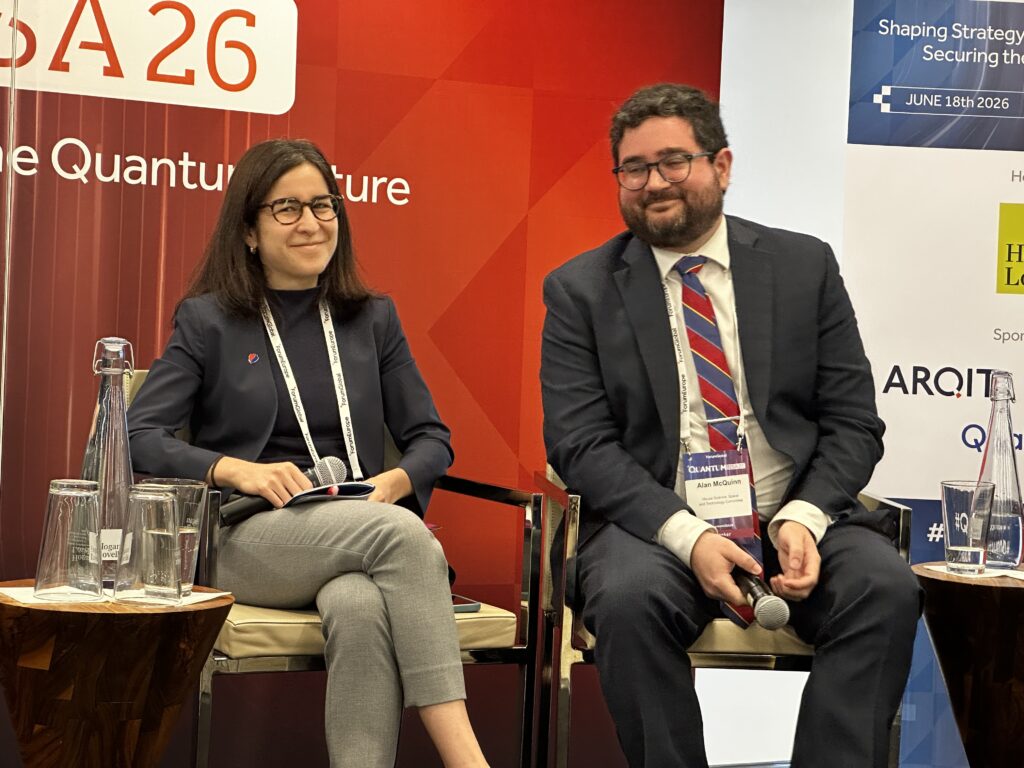
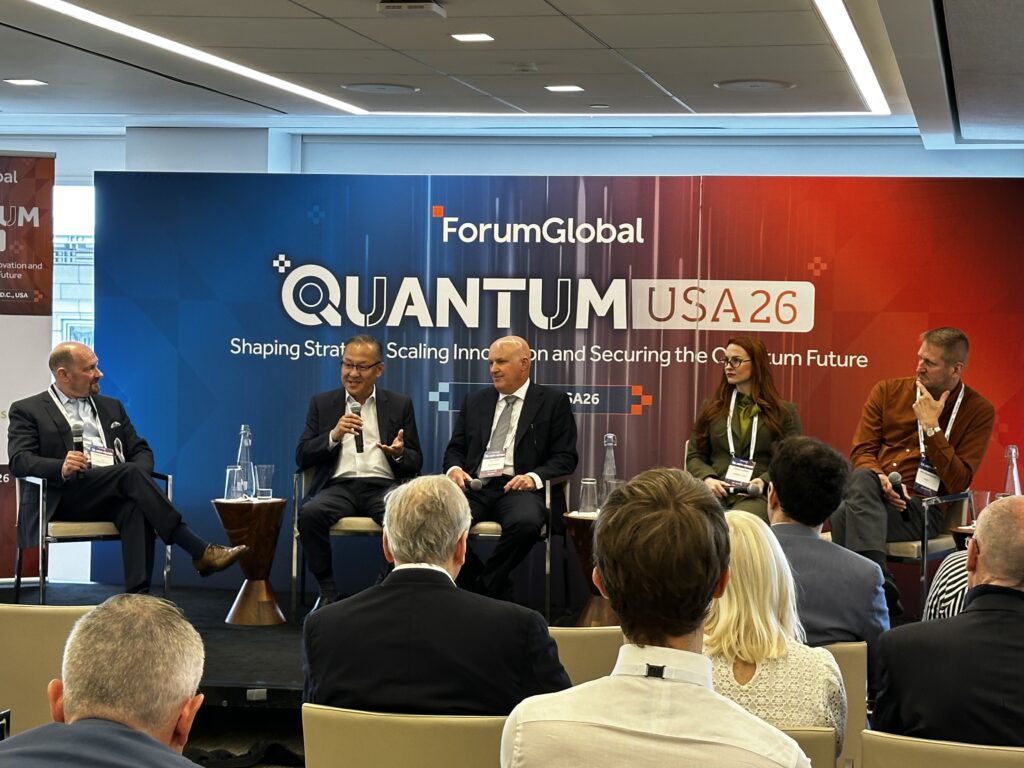
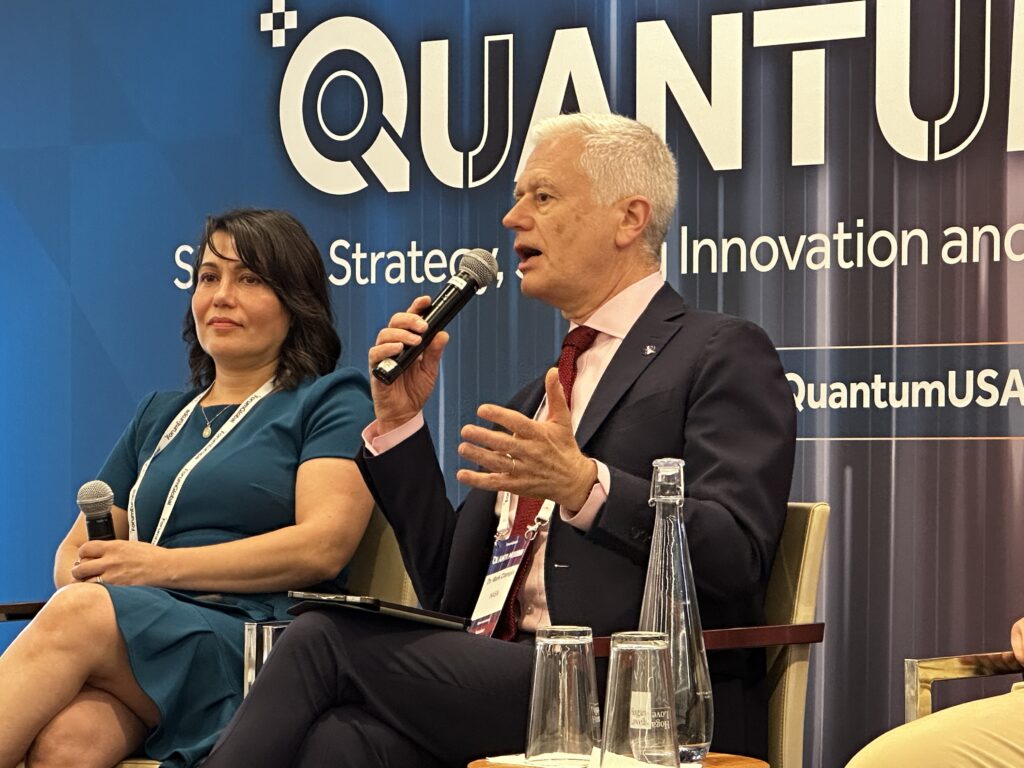
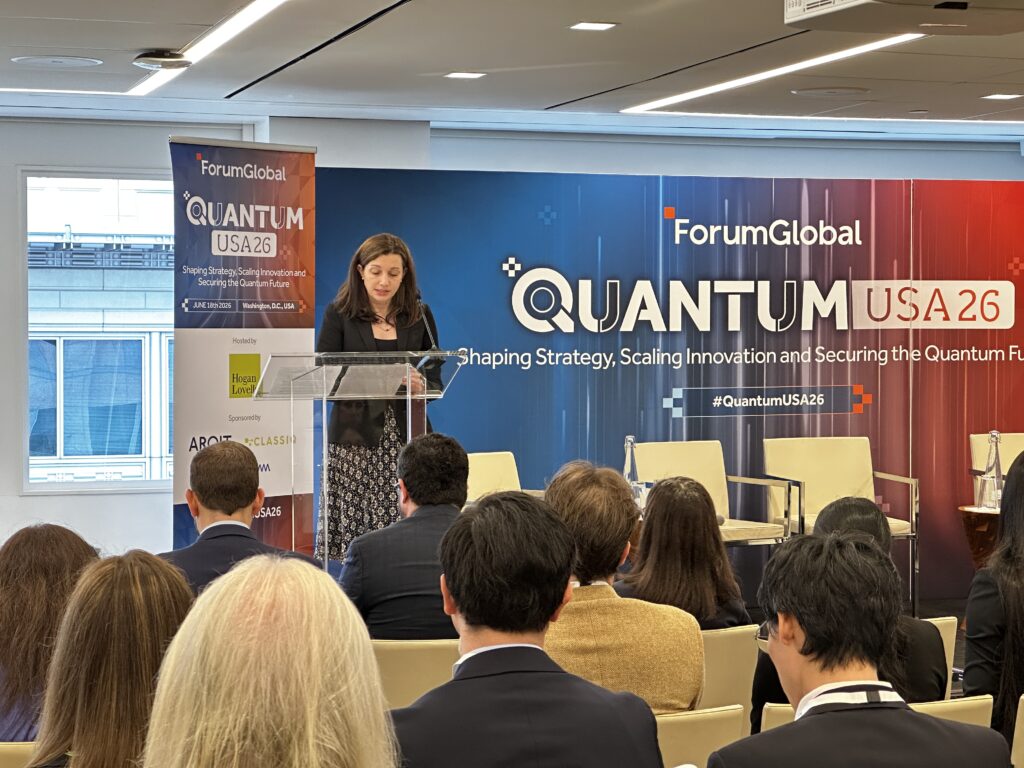
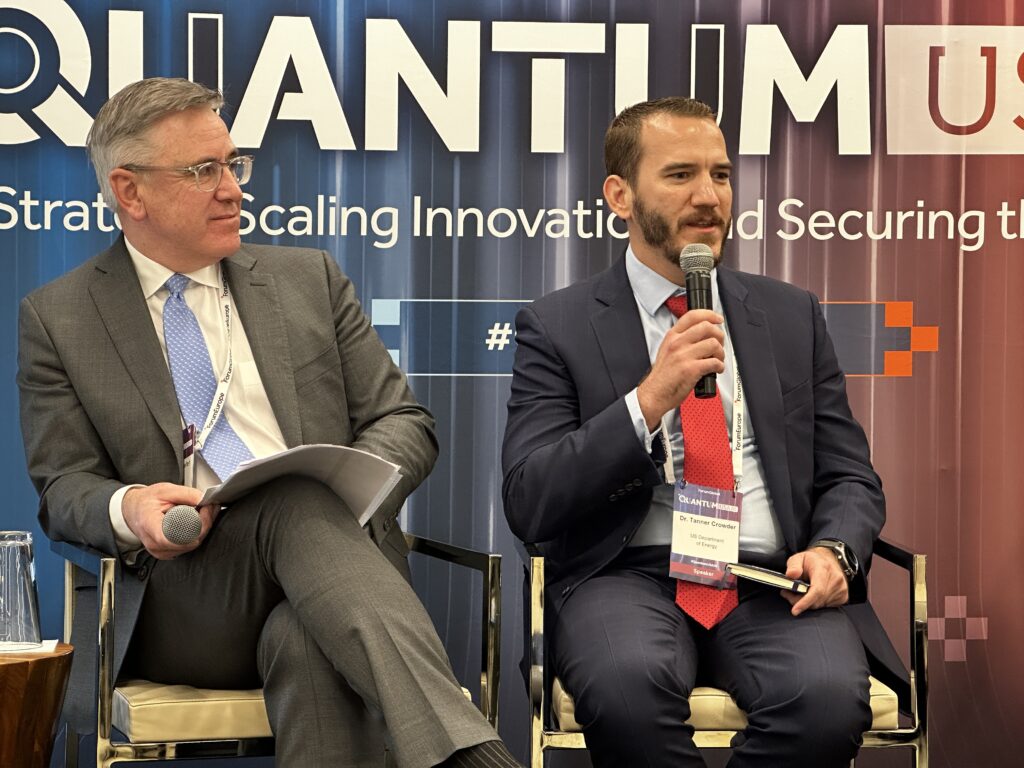






Quantum technologies are moving from theoretical research to operational reality, rapidly becoming central to economic competitiveness, national security, and scientific leadership. With global investment accelerating and technological competition intensifying, the window for the United States to secure a durable advantage is narrowing.
Artificial intelligence and quantum science now sit at the top of U.S. federal research and development priorities. As policymakers refine the next phase of national quantum policy, critical questions are emerging around how to build a coherent strategy that strengthens the quantum ecosystem, accelerates commercialization, and ensures long-term technological leadership.
Quantum USA will bring together policymakers, industry leaders, researchers, and technology experts to explore what a comprehensive U.S. quantum strategy should look like in the years ahead. Discussions will span governance and investment, supply chain resilience, workforce development, international collaboration, real-world applications of quantum computing, and the growing urgency of post-quantum cybersecurity.
Quantum USA will be co-located with our USA Artificial Intelligence Summit, bringing together two leading events at the forefront of emerging technology. The button below will take you to the USA Artificial Intelligence Summit website, where you can explore the full agenda and learn more about the second edition of this event.
**Times are in EDT**
Momentum is building around the development of a more coordinated national quantum strategy. Efforts in Congress to reauthorize the National Quantum Initiative, alongside plans for a White House whole-of-government approach to coordinate federal investments, infrastructure, and commercialization, signal a new phase for the U.S. quantum ecosystem. Federal R&D priorities increasingly highlight the convergence between quantum technologies, artificial intelligence, and advanced semiconductor design. Sustaining leadership will depend not only on research breakthroughs, but on the strength of the broader innovation ecosystem, including semiconductor capabilities, testbeds, advanced computing infrastructure, and regional innovation hubs.
Quantum computing is moving beyond research laboratories and into early industrial deployment. Across sectors such as life sciences, energy, finance, logistics, and advanced manufacturing, businesses are exploring how quantum capabilities could solve complex optimization, modelling, and simulation challenges. New delivery models are emerging: hybrid quantum–classical approaches enable near-term experimentation, while cloud platforms and Quantum Computing as a Service (QCaaS) are making quantum capabilities accessible without specialized infrastructure. The growing convergence of quantum computing, AI, high-performance computing, and advanced semiconductors may further accelerate the path to real-world applications.
This session will explore how businesses are beginning to apply quantum technologies, where the most promising industrial opportunities lie, how new business models, partnerships and the development of a talent pipeline could shape a quantum-enabled future.
As quantum computing evolves, it promises breakthroughs across science and industry but also poses significant risks to existing cybersecurity infrastructure. The potential emergence of cryptographically relevant quantum computers could render widely used encryption obsolete, exposing sensitive data to “harvest now, decrypt later” attacks. In the United States, NIST’s standardization of post-quantum cryptographic algorithms and the Coordinated Implementation Roadmap for the Transition to Post-Quantum Cryptography mark an important shift from awareness to action. At the same time, technologies such as Post-Quantum Cryptography (PQC), Quantum Key Distribution (QKD), and Quantum Random Number Generation (QRNG) offer new tools to strengthen cyber resilience — though integrating them at scale remains a major challenge.
This panel will explore the dual role of quantum technologies as both a cybersecurity risk and a defensive tool. It will examine how policymakers, industry leaders, and researchers are preparing for a post-quantum world, what concrete steps organizations can take today to enhance cryptographic agility, and how the U.S. can strengthen its leadership in global standards and secure digital infrastructure for the quantum age.

Momentum is building around the development of a more coordinated national quantum strategy. Efforts in Congress to reauthorize the National Quantum Initiative, alongside plans for a White House whole-of-government approach to coordinate federal investments, infrastructure, and commercialization, signal a new phase for the U.S. quantum ecosystem. Federal R&D priorities increasingly highlight the convergence between quantum technologies, artificial intelligence, and advanced semiconductor design. Sustaining leadership will depend not only on research breakthroughs, but on the strength of the broader innovation ecosystem, including semiconductor capabilities, testbeds, advanced computing infrastructure, and regional innovation hubs.
Quantum computing is moving beyond research laboratories and into early industrial deployment. Across sectors such as life sciences, energy, finance, logistics, and advanced manufacturing, businesses are exploring how quantum capabilities could solve complex optimization, modelling, and simulation challenges. New delivery models are emerging: hybrid quantum–classical approaches enable near-term experimentation, while cloud platforms and Quantum Computing as a Service (QCaaS) are making quantum capabilities accessible without specialized infrastructure. The growing convergence of quantum computing, AI, high-performance computing, and advanced semiconductors may further accelerate the path to real-world applications.
This session will explore how businesses are beginning to apply quantum technologies, where the most promising industrial opportunities lie, how new business models, partnerships and the development of a talent pipeline could shape a quantum-enabled future.
As quantum computing evolves, it promises breakthroughs across science and industry but also poses significant risks to existing cybersecurity infrastructure. The potential emergence of cryptographically relevant quantum computers could render widely used encryption obsolete, exposing sensitive data to “harvest now, decrypt later” attacks. In the United States, NIST’s standardization of post-quantum cryptographic algorithms and the Coordinated Implementation Roadmap for the Transition to Post-Quantum Cryptography mark an important shift from awareness to action. At the same time, technologies such as Post-Quantum Cryptography (PQC), Quantum Key Distribution (QKD), and Quantum Random Number Generation (QRNG) offer new tools to strengthen cyber resilience — though integrating them at scale remains a major challenge.
This panel will explore the dual role of quantum technologies as both a cybersecurity risk and a defensive tool. It will examine how policymakers, industry leaders, and researchers are preparing for a post-quantum world, what concrete steps organizations can take today to enhance cryptographic agility, and how the U.S. can strengthen its leadership in global standards and secure digital infrastructure for the quantum age.

To discuss sponsorship and visibility opportunities at the Quantum USA Conference, please contact Anne-Lise Simon at quantumusa@forum-global.com, or +44 (0) 7389 702 584.
Your organisation can contribute to the discussion
Engage in a fully immersive and interactive debate with decision makers, businesses and policymakers
Convey your message to a broad and international audience
Connect with your fellow attendees during coffee and lunch breaks throughout the event
Ensure maximum visibility through branding in the room, on the event website and marketing activities
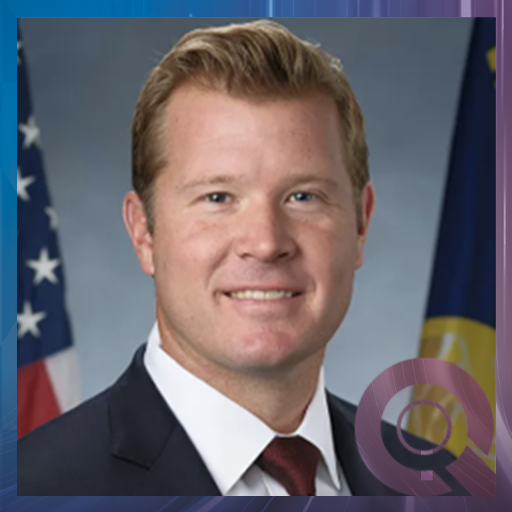
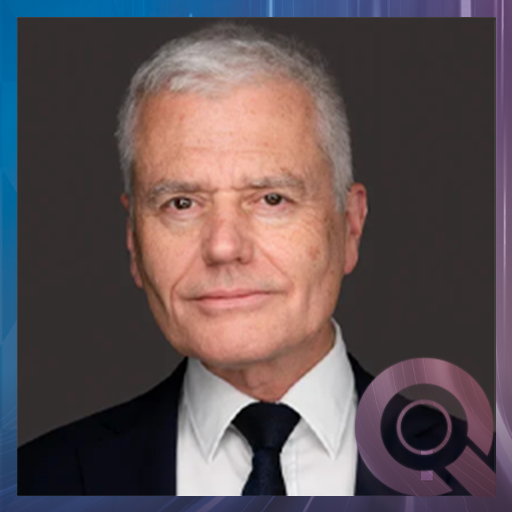
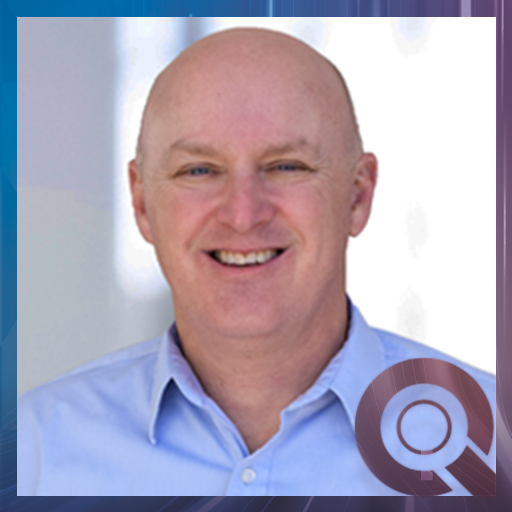
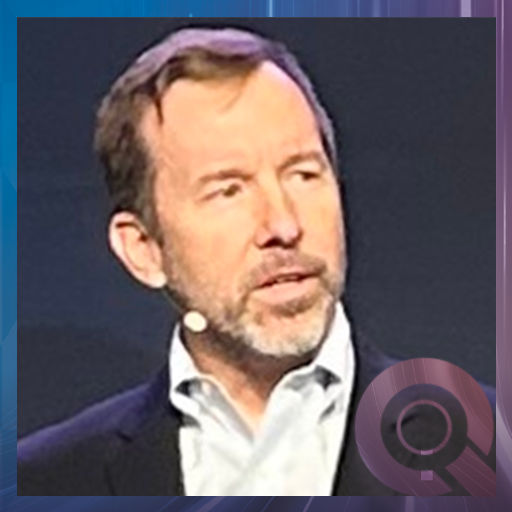
Sterling Thomas, Chief Scientist, GAO Dr. Sterling Thomas is GAO’s Chief Scientist in Science, Technology Assessment, and Analytics.
Prior to joining GAO, he was the Chief Scientist at Noblis, a Reston, VA based research institute overseeing their applied research programs for the past 13 years. Sterling has also served as a principal investigator for research programs funded by the National Institutes of Health, Department of Defense, and Intelligence Advanced Research Projects Activity. His work has included creating new methods regarding synthetic biology, strategies for decoupling qubits for improving error correction in quantum computing, methods for using artificial intelligence to detect decentralized coordinated cyber-attacks, and network-based optimization algorithms to detect abnormalities in public equities markets.
Sterling’s contributions have been recognized across industry including by Institute of Electrical and Electronics Engineers for best paper utilizing machine learning methods in detecting breast cancer, and at his former institute where he received the Science and Technology Achievement award. He has also been awarded four patents and has multiple pending patent applications. Sterling earned a Doctor of Philosophy in Integrated Life Sciences from VCU, a Master of Business Administration from Columbia University, and Bachelor of Science from Old Dominion University.
Chief Scientist
GAO
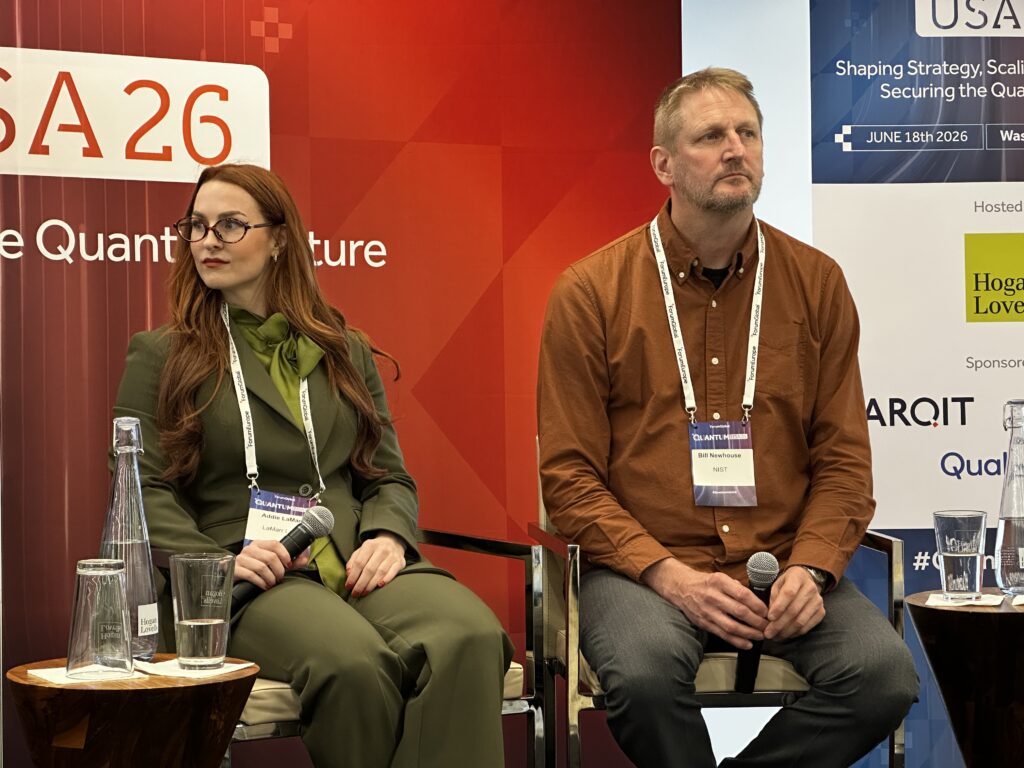
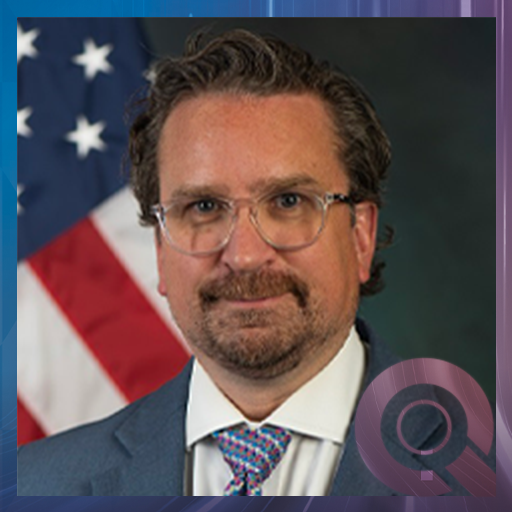
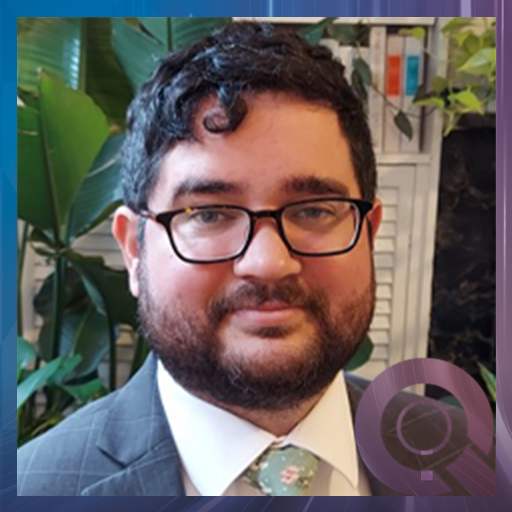
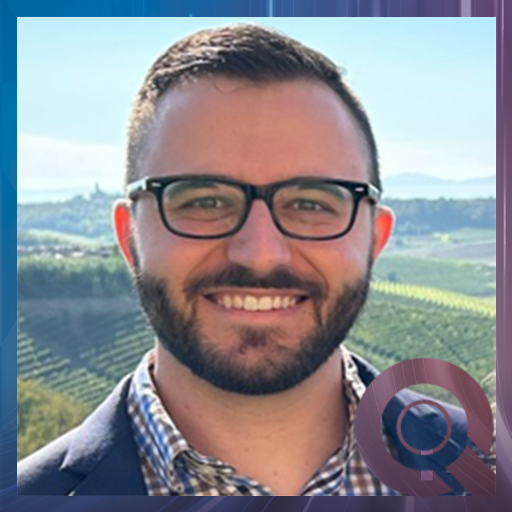
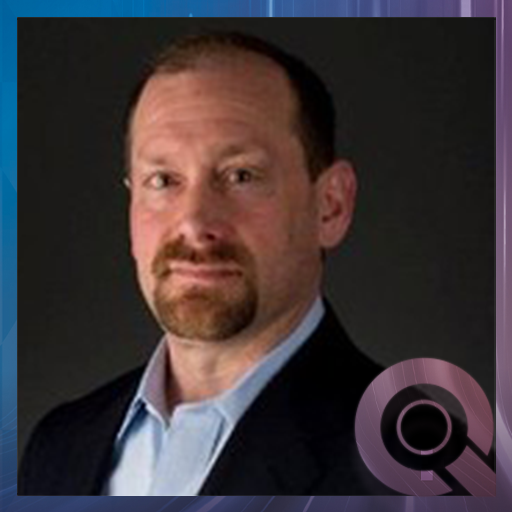
Bill Newhouse, Cybersecurity Engineer & Project Lead, National Cybersecurity Center of Excellence, NIST Bill Newhouse is a cybersecurity Engineer at NIST’s National Cybersecurity Center of Excellence (NCCoE) where he leads the Migration to Post-Quantum Cryptography (PQC) project, a collaboration with industry and gov’t, which shares insights on practices that will ease the migration to PQC algorithms that are resistant to cryptanalytic relevant quantum computer-based attacks.
Mr. Newhouse has been with the U.S. Federal government since 1986 focused initially on telecommunications, then information assurance, and now cybersecurity. He studied Electrical Engineering at the Georgia Institute of Technology and has a master’s degree from the George Washington University.
Cybersecurity Engineer & Project Lead, National Cybersecurity Center of Excellence
NIST
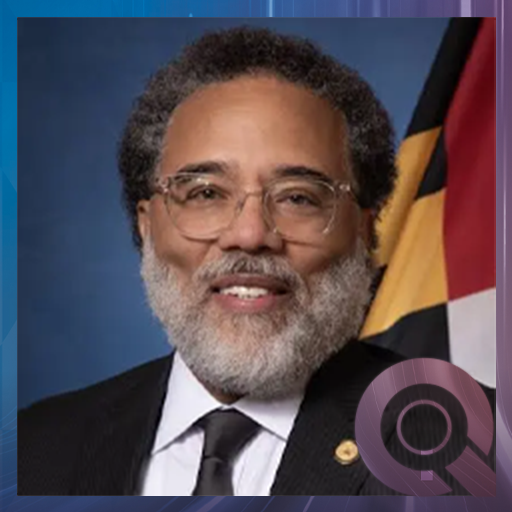
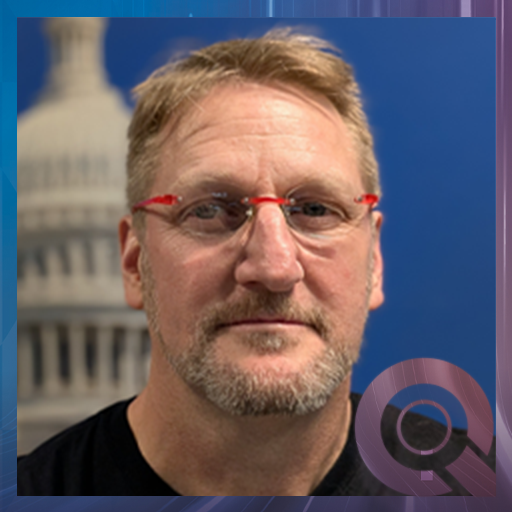
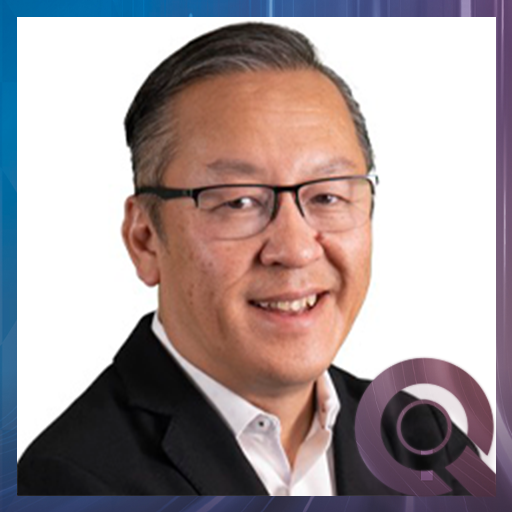
Dr. Mark Clampin, Deputy Associate Administrator, Science Mission Directorate, National Aeronautics and Space Administration (NASA) Dr. Mark Clampin is the Deputy Associate Administrator in the Science Mission Directorate at NASA Headquarters in Washington, DC, where he provides executive leadership, overall planning, direction, and management of NASA’s $7B science portfolio focused on the scientific exploration of Earth, the Sun, solar system, universe, and biological and physical sciences. He brings ~35 years of leadership in program, project management, and strategic planning, and the development of space-flight hardware for astrophysics research. He fosters partnerships with other government agencies and collaborates with commercial and international partners to leverage synergistic investments and advance NASA science.
Until August 2022, Dr. Clampin was the Director of the Sciences and Exploration Directorate (SED) at the Goddard Space Flight Center (GSFC), where he led the Astrophysics, Solar System, Heliophysics and Earth Science Divisions, together with the high-performance computing office. He previously served as GSFC’s Director of the Astrophysics Science Division and GSFC’s Deputy Director of SED. For ~14 years he was the James Webb Space Telescope (JWST) Observatory Project Scientist responsible for the development and oversight of Webb’s Observatory Science Requirements.
Prior to joining GSFC, Dr Clampin was the Advanced Camera for Surveys (ACS) Group Lead at the Space Telescope Science Institute (STScI), where he worked on Hubble Space Telescope (HST) Servicing Missions SM1 to SM3B. Dr. Clampin is a Co-Investigator with the Transiting Exoplanet Survey Satellite (TESS), and the Advanced camera for Surveys (ACS) science team and where he was responsible for the delivery of ACS’s three focal plane camera systems. His research interests focus on studying the formation and evolution of planetary systems. Dr. Clampin has also designed ground-based telescope instruments including adaptive optics systems, coronagraphs and detectors.
Dr. Clampin graduated from the University of London with a BS in Physics and from the University of Saint Andrews in Scotland, with PhD in Astronomy. Dr. Clampin is the recipient of the Meritorious Presidential Rank Award, NASA’s Exceptional Achievement Medal for his work on the Webb Telescope, NASA’s Scientific Achievement Medal and the AAAS Newcomb-Cleveland Prize. He is a Fellow of SPIE and the Royal Astronomical Society. Dr. Clampin was the founding Editor of SPIE’s peer-reviewed Journal of Astronomical Telescopes, Instruments and Systems (JATIS), and served as Chief Editor for 7 years.
Deputy Associate Administrator, Science Mission Directorate
National Aeronautics and Space Administration (NASA)
Bill Newhouse, Cybersecurity Engineer & Project Lead, National Cybersecurity Center of Excellence, NIST Bill Newhouse is a cybersecurity Engineer at NIST’s National Cybersecurity Center of Excellence (NCCoE) where he leads the Migration to Post-Quantum Cryptography (PQC) project, a collaboration with industry and gov’t, which shares insights on practices that will ease the migration to PQC algorithms that are resistant to cryptanalytic relevant quantum computer-based attacks.
Mr. Newhouse has been with the U.S. Federal government since 1986 focused initially on telecommunications, then information assurance, and now cybersecurity. He studied Electrical Engineering at the Georgia Institute of Technology and has a master’s degree from the George Washington University.
Cybersecurity Engineer & Project Lead, National Cybersecurity Center of Excellence
NIST
Bill Newhouse, Cybersecurity Engineer & Project Lead, National Cybersecurity Center of Excellence, NIST Bill Newhouse is a cybersecurity Engineer at NIST’s National Cybersecurity Center of Excellence (NCCoE) where he leads the Migration to Post-Quantum Cryptography (PQC) project, a collaboration with industry and gov’t, which shares insights on practices that will ease the migration to PQC algorithms that are resistant to cryptanalytic relevant quantum computer-based attacks.
Mr. Newhouse has been with the U.S. Federal government since 1986 focused initially on telecommunications, then information assurance, and now cybersecurity. He studied Electrical Engineering at the Georgia Institute of Technology and has a master’s degree from the George Washington University.
Cybersecurity Engineer & Project Lead, National Cybersecurity Center of Excellence
NIST
Building on the established success of Quantum Europe, Forum Global is launching the first-ever Quantum USA. After years of successfully convening Europe’s most influential voices in quantum technology and digital policy, we are bringing this high-impact platform to Washington D.C. to drive the next frontier of US quantum leadership. You will find below some details about the most recent European edition.
Platinum Sponsor At IBM, we do more than work. We create. We create as technologists, developers, and engineers. We create with our partners. We create with our competitors. If you’re searching for ways to make the world work better through technology and infrastructure, software and consulting, then we want to work with you. We’re here to help every creator turn their “what if” into what is. Let’s create something that will change everything.
Platinum Sponsor Every company has a mission. What’s ours? To empower every person and every organisation to achieve more. We believe technology can and should be a force for good and that meaningful innovation contributes to a brighter world in the future and today. Our culture doesn’t just encourage curiosity; it embraces it. Each day we make progress together by showing up as our authentic selves. We show up with a learn-it-all mentality. We show up cheering on others, knowing their success doesn’t diminish our own. We show up every day open to learning our own biases, changing our behaviour, and inviting in differences. When we show up, we achieve more together. Microsoft operates in 190 countries and is made up of more than 220,000 passionate employees worldwide.
Platinum Sponsor The TIM Group is driving the digital transition of Italy and Brazil with innovative technologies and services because they want to contribute to accelerating the sustainable growth of the economy and society by bringing value and prosperity to people, companies and institutions.
They offer diversified solutions that meet the needs of their stakeholders while also integrating climate strategy, circular economy and digital growth targets.
TIM offers fixed and mobile telephony services and products for communication and entertainment for individuals and households, and supports small and medium-sized enterprises in their path towards digitalisation with a portfolio tailored to their needs.
Cloud, IoT and Cybersecurity technologies are at the heart of TIM Enterprise‘s End-to-End solutions for companies and the public institutions that support the country’s digital transformation by making use of the largest data centre network in Italy, the expertise of Group companies such as Noovle, Olivetti and Telsy, and partnerships with leading industrial groups.
They develop 4G and 5G mobile network and fibre network infrastructure internationally through Sparkle.
In Brazil, TIM Brasil is a major player in the South American communications market and a leader in 4G and 5G coverage.

They also support projects of high social interest via TIM Foundation in Italy and Instituto TIM in Brazil.
The values that both unite and distinguish them are passion and courage, which help them to seize the challenges of the market, inclusion, because it creates value for the entire society, and finally integrity, to deserve and maintain the trust of their stakeholders.
Silver Sponsor Aricoma is the largest provider of enterprise IT services and solutions in the Czech market. We are built on a solid foundation that reflects more than three decades of growth. Behind our success, you will find the ability to respond to market developments, a cohesive team of professionals with many years of experience, and a unique comprehensive portfolio of services and solutions.
We can address challenges in advanced IT infrastructure, across a broad portfolio of enterprise applications and digital solutions to support today ́s Digital Governments, and in cloud migration and cybersecurity.
We are part of the strong international investment group KKCG. We want to continue to grow in our domestic markets, and strengthen our cooperation with the EU institutions and our position in Western European markets.
We believe it is our duty to share our success. We therefore support organizations that are dedicated to people in need, but also support values such as freedom and democracy.
We understand not only technology, but also the processes and the legislative framework.
Silver Sponsor C12 is on a mission to build reliable quantum computers to speed up highly complex computing tasks, thanks to a unique technology developed at CNRS and the Physics Laboratory of the Ecole Normale Supérieure in Paris. In January 2020, twin brothers Matthieu and Pierre Desjardins officially launched the company. Since then, the company has raised >25m€ and has grown to a senior & international 45-people team, cumulating years of experience in quantum electronics.
C12 is convinced that only a materials science breakthrough will enable large-scale quantum computers. Unlike other quantum computers, we use carbon nanotubes as the fundamental building block of our processor. By combining the power of an ultra-pure material with an easy-to-manufacture semiconductor device, we are building the next generation of quantum computers, designed to provide unparalleled fidelity, connectivity, and scalability. Our first quantum co-processor will be able to run hybrid quantum-classical algorithms for chemistry applications by 2025.
Silver Sponsor Oxford Quantum Circuits (OQC) is pioneering the quantum-accelerated world, delivering enterprise-grade quantum systems designed for commercial and strategic advantage. As Europe’s first Quantum-Compute-as-a-Service provider – and the only company integrating quantum in commercial data centres – OQC brings quantum capability to the heart of financial and national infrastructure. Their application-optimised compute empowers customers in finance, security, and defence to solve intractable problems: reshaping industries and strengthening sovereign advantage.
Silver Sponsor Quantum computing is a small world. We make it big. With Nobel Prize-winning technology and a holistic approach, Pasqal uses neutral atoms to address real-world industrial cases. Pasqal provides cutting-edge quantum technology to customers and partners worldwide.
Many people call quantum computing “the next big thing.” We believe it’s already huge. At Pasqal, we’ve spent four decades leading and mapping the revolution so you can power up the next phase of your development. We have the state-of-the-art technology, the methodology and the people so businesses can tackle the big challenges that will define this new era – starting now.
Silver Sponsor Qilimanjaro is a full-stack quantum computing company based in Barcelona, founded in 2019 to maximise current technological capabilities and deliver a practical quantum advantage within a shorter time frame through a unique strategy. Our technological innovation is based on the analog model of quantum computation, leveraging high-quality superconducting flux qubits and versatile qubit-qubit interactions to build application-specific quantum solutions. We follow a co-design approach that brings the design of the quantum chip closer to the use case. Our offering includes an exclusive hybrid Quantum as a Service model, enabling remote access to our distinctive analog quantum computing platforms, digital quantum computers, and classical simulators. This is complemented by a boutique service for tailored algorithm design. We also offer deployment and integration of in-premises quantum computers for HPC centers and client facilities as well as exploratory services for companies seeking to assess how quantum computing can support their business needs and identify use cases.
Supporting Partner ETSI provides members with an open and inclusive environment to support the development, ratification and testing of globally applicable standards for ICT systems and services across all sectors of industry and society. We are a not-for-profit body with more than 900 member organizations worldwide, drawn from more than 60 countries and five continents. Members comprise a diversified pool of large and small private companies, research entities, academia, government and public organizations. ETSI is officially recognized by the EU as a European Standards Organization (ESO).
Founded in 2020, QBN represents over 100 members, including world-leading startups, SME, global players, research organisations, investors and government organisations.
Our members build software and hardware solutions, components and applications, offer R&D, infrastructure and investments, all in the fields of quantum computing, sensing, communication, cybersecurity or enabling technologies such as photonics or diamond technology. An increasing number of vendors, providers, end-users, and other stakeholders are joining our network to explore the potential of the quantum industry.
The overriding aim of QBN, as the premium partner for business leaders, is to make quantum a global industrial powerhouse, drive the quantum transformation of the economy and drive economic growth.
As a one-stop-shop for enterprises, entrepreneurs, researchers and policymakers the main foci are the accelerated scalability and adoption of quantum computing, the transfer of quantum sensing into real-world applications, the integration of quantum communication and cybersecurity in critical infrastructure and the expansion of quantum networks towards the quantum internet. It’s about the promotion of collaboration, the support of commercialization, fast access to investments and shaping of strategic policies.
Complementarily, QBN offers consultancy services to help enterprises, governments and investors become quantum-ready and develop their quantum strategy, and to support startups in preparing for growth and scaling. QBN’s holistic approach ensures its clients tailored support towards strategic and operational excellence.
Quantum technologies are more than an economic driver, they are enabling breakthroughs in energy, healthcare, and beyond, being a catalyst for a secure, sustainable, and resilient future.
Supporting Partner Quantum Circle unites all stakeholders in quantum computing, communication and sensing under one roof.
Quantum Circle advocates the game-changing potential of quantum technologies, collaborating on innovative use cases, cultivating expertise and igniting rapid adoption in the commercial realm.
Quantum Circle wants to establish the foundation for a visionary investment climate that will leave a lasting impact on the technological landscape.
Hogan Lovells
quantumusa@forum-global.com
Sign up to receive our newsletter
© 2026 All Rights Reserved.